About Bunion Surgery
Bunions are progressive deformities of the big toe joint that can cause significant pain, difficulty wearing shoes, and impact your quality of life. When conservative treatments no longer provide relief, bunion surgery (bunionectomy) can realign the bones, tendons, and ligaments to correct the deformity. Dr. Quach carefully evaluates each case to select the most appropriate surgical technique for lasting correction.
Bunions affect millions of Americans, and they are especially common among women. At our McAllen and Weslaco offices, Dr. Quach evaluates each bunion individually — considering severity, lifestyle, activity level, and footwear preferences — before recommending the most appropriate correction technique.
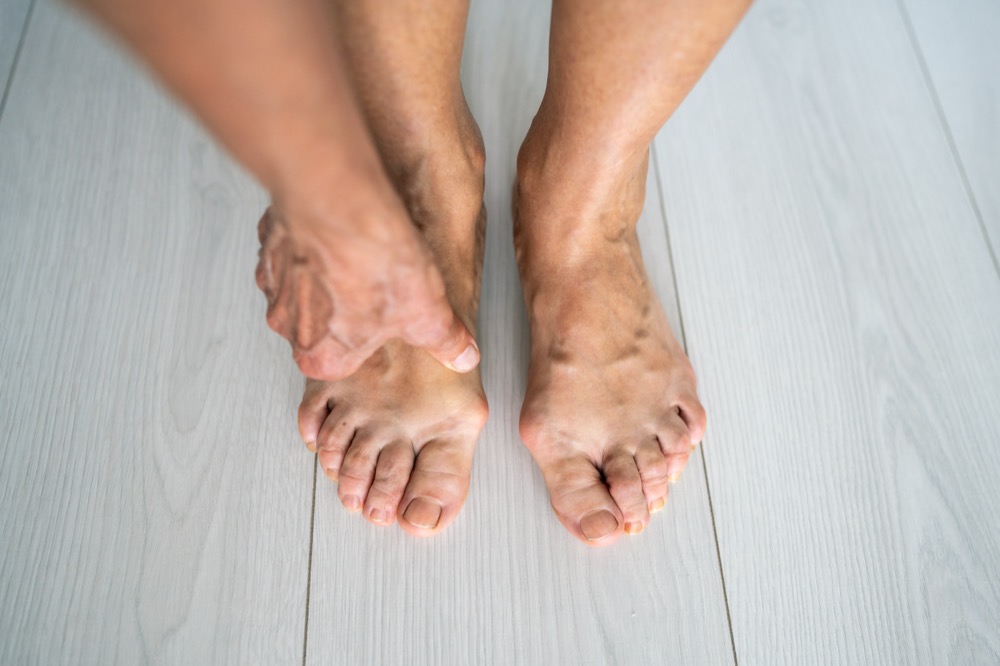
Signs & Symptoms
Recognizing the symptoms early can help you get the right treatment sooner.
- A visible bony bump at the base of the big toe
- Big toe drifting toward the second toe
- Pain or swelling at the big toe joint
- Redness and inflammation around the joint
- Difficulty finding shoes that fit comfortably
- Restricted movement of the big toe
Common Causes
Bunions develop from a combination of inherited foot structure, improper footwear (narrow or high-heeled shoes), and biomechanical imbalances. Conditions such as flat feet, low arches, and loose joints can accelerate bunion formation. Inflammatory conditions like rheumatoid arthritis also increase risk.
Key Benefits
- Permanent correction of toe alignment
- Pain-free walking and shoe wear
- Improved foot aesthetics
- Tailored surgical approach for each patient
What to Expect
The procedure is typically performed as an outpatient surgery. You will receive a detailed recovery timeline, and most patients can return to normal shoes within 6-8 weeks. Post-operative visits ensure proper healing and alignment.
Recovery & Aftercare
Most patients are walking in a surgical shoe within 1–2 days of bunion surgery. The surgical shoe is worn for 4–6 weeks, after which patients transition to supportive athletic shoes. Full recovery, including return to dress shoes and high-impact activities, typically takes 3–6 months depending on the procedure performed.
Frequently Asked Questions
Can bunions come back after surgery?
Recurrence is uncommon when the appropriate surgical technique is used and post-operative instructions are followed. Wearing supportive footwear and custom orthotics reduces the risk further.
How painful is bunion surgery recovery?
Most patients manage discomfort with over-the-counter medication after the first few days. Dr. Quach uses techniques designed to minimise post-operative pain.
When can I drive after bunion surgery?
If surgery is on the left foot, you can typically drive an automatic vehicle within a week. For right foot surgery, driving is usually possible after 4–6 weeks.
Bunion Surgery in the Rio Grande Valley
If you’re experiencing symptoms or have been diagnosed with a condition that requires bunion surgery, Dr. Quach and the team at Foot Center of the Rio Grande Valley are here to help. With 21+ years of experience and a conservative-first approach, we’ll develop a treatment plan tailored to your needs.