About CO2 Laser Debridement of Ulcers
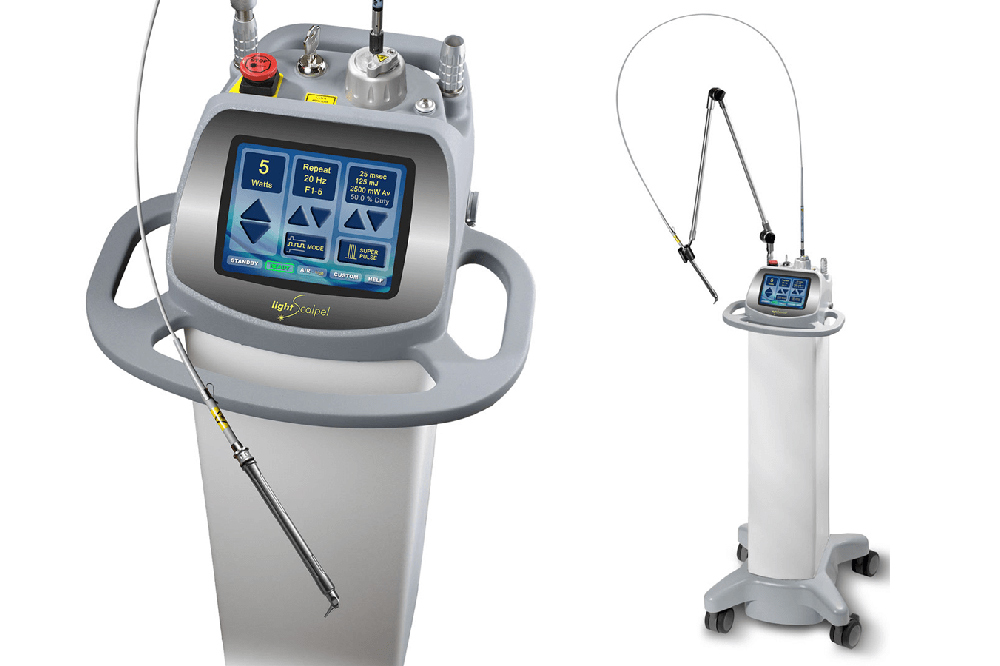
Chronic ulcers — especially those related to diabetes — require careful debridement to remove dead tissue and promote healthy wound healing. Our CO2 laser debridement offers a precise, minimally traumatic alternative to traditional methods. The laser simultaneously removes necrotic tissue and sterilises the wound bed, significantly reducing infection risk and accelerating the healing process.
Chronic wounds affect an estimated 6.5 million patients in the United States, and foot ulcers are a leading cause of hospitalisation and lower-limb amputation — particularly among individuals with diabetes. At Foot Center of the Rio Grande Valley, Dr. Quach combines advanced CO2 laser technology with comprehensive wound care protocols to give patients in McAllen, Weslaco, and across the Valley the best possible outcomes. Unlike traditional sharp debridement with a scalpel, our CO2 laser removes necrotic tissue with exceptional precision while simultaneously sterilising the wound bed — reducing infection risk, minimising bleeding, and stimulating the body’s natural healing response.
Signs & Symptoms
Recognizing the symptoms early can help you get the right treatment sooner.
- A wound on the foot that has not healed in 4 or more weeks
- Darkened, discolored, or hardened tissue around the wound edges
- Increasing wound size despite ongoing treatment
- Foul odor or drainage from the wound
- Pain or tenderness around the wound area
- Redness, warmth, or swelling suggesting infection
Common Causes
Chronic foot ulcers develop from a combination of contributing factors. Diabetes is the most common underlying cause — neuropathy prevents patients from feeling pressure or injury, while peripheral artery disease impairs blood flow needed for healing. Venous insufficiency, prolonged pressure (especially in immobile or bedridden patients), trauma that goes unnoticed, and poorly fitting footwear all contribute to ulcer formation. Without timely, effective debridement, dead tissue accumulates, infection risk escalates, and healing stalls — creating a cycle that can threaten the limb.
Key Benefits
- Precision removal of damaged tissue
- Reduced infection risk through sterilization
- Faster healing compared to traditional methods
- Less pain during and after the procedure
What to Expect
The procedure is performed in-office. Dr. Quach will assess the ulcer, perform the laser debridement, and apply appropriate wound care dressings. Follow-up visits are scheduled to monitor healing progress and adjust the treatment plan as needed.
Laser & Aftercare
Following CO2 laser debridement, wound healing times vary based on ulcer size, depth, and the patient’s underlying health conditions. Dr. Quach develops an individualised wound care plan that typically includes specialized dressings, offloading devices to reduce pressure on the wound, and regular follow-up visits — often weekly — to monitor progress and adjust treatment. Many patients notice improved wound appearance and reduced drainage within the first 1–2 sessions. Complete wound closure may take 8–12 weeks or longer depending on complexity. Ongoing preventive care is essential to avoid recurrence.
Frequently Asked Question
How is CO2 laser debridement different from traditional debridement?
Traditional debridement uses a scalpel or curette to manually remove dead tissue, which can cause bleeding and discomfort. The CO2 laser provides far more precise tissue removal with simultaneous cauterization and sterilization of the wound bed. This means less bleeding, lower infection risk, reduced pain, and a cleaner wound surface that promotes faster healing.
How many laser debridement sessions will I need?
The number of sessions depends on wound size, depth, and your body’s healing response. Some patients see significant improvement after a single session, while larger or more complex wounds may require multiple treatments spaced 1–2 weeks apart. Dr. Quach evaluates progress at each visit and adjusts the plan accordingly.
Is CO2 laser debridement painful?
Most patients report significantly less pain compared to traditional debridement. Local anesthesia is used when needed to ensure your comfort throughout the procedure. Many patients with neuropathy feel little to no sensation during treatment.
Is CO2 laser debridement covered by insurance?
Wound debridement for chronic ulcers is a medically necessary procedure and is covered by most insurance plans and Medicare. Our office staff will verify your benefits before treatment begins.
Can laser debridement help prevent amputation?
Yes. Effective debridement is one of the most critical steps in wound healing and limb preservation. By removing dead tissue and reducing infection, CO2 laser debridement helps create the optimal environment for wound closure — which is a key factor in preventing the complications that can lead to amputation.
CO2 Laser Debridement of Ulcers in the Rio Grande Valley
If you’re experiencing symptoms or have been diagnosed with a condition that requires co2 laser debridement of ulcers, Dr. Quach and the team at Foot Center of the Rio Grande Valley are here to help. With 21+ years of experience and a conservative-first approach, we’ll develop a treatment plan tailored to your needs.