About Heel Spur
A heel spur is a calcium deposit causing a bony protrusion on the underside of the heel bone. Often associated with plantar fasciitis, heel spurs can cause significant pain during walking and standing. The majority of heel spurs respond well to conservative treatment without the need for surgery.
Heel spurs are one of the most frequently Googled foot conditions, but they are widely misunderstood. Many people have heel spurs with no symptoms at all — the pain typically comes from the plantar fasciitis or inflammation associated with the spur, not the spur itself. At Foot Center of the Rio Grande Valley, Dr. Quach provides a thorough evaluation to determine the true source of your heel pain and develop an effective treatment plan.
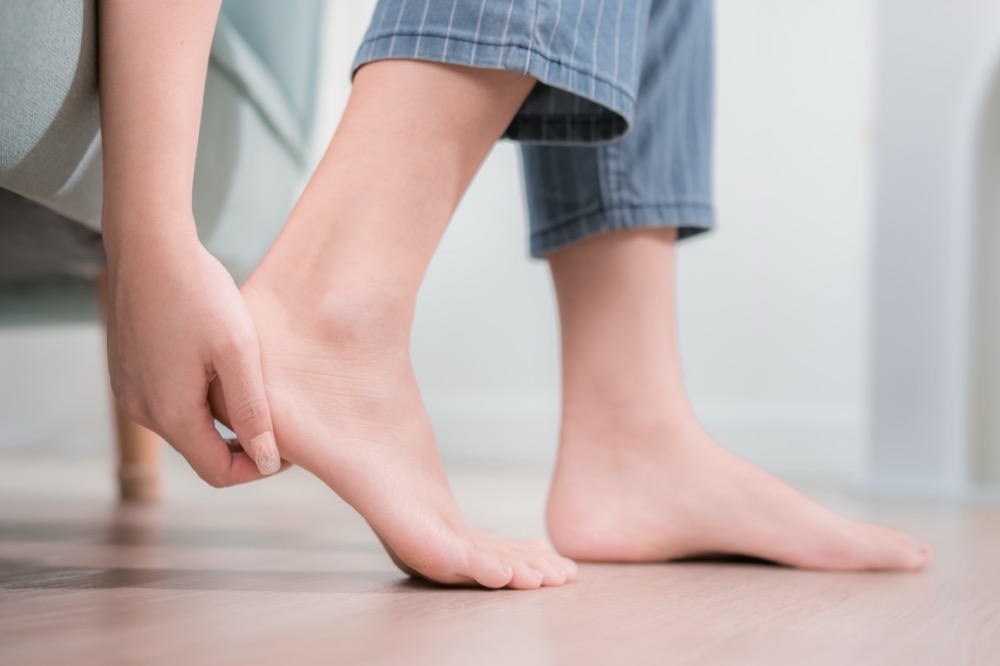
Signs & Symptoms
Recognizing the symptoms early can help you get the right treatment sooner.
- Sharp, stabbing pain in the bottom of the heel
- Pain worst with the first steps in the morning
- Visible inflammation or swelling at the heel
- A dull ache in the heel throughout the day
Common Causes
Heel spurs form when calcium deposits build up on the underside of the heel bone over many months. They are commonly associated with plantar fasciitis — the chronic pulling of the plantar fascia on the heel bone stimulates bone growth. Risk factors include running on hard surfaces, obesity, poor arch support, and tight calf muscles.
Key Benefits
- Non-surgical pain management
- Custom orthotic relief
- Shockwave therapy option
- Comprehensive activity guidance
What to Expect
Diagnosis is confirmed through physical examination and X-ray imaging. Treatment may include custom orthotics, stretching protocols, anti-inflammatory strategies, and shockwave therapy when appropriate.
Frequently Asked Questions
Does a heel spur need to be surgically removed?
Rarely. Over 90% of heel spur patients find relief with conservative treatments including orthotics, stretching, and shockwave therapy. The spur itself is almost never the source of pain.
What is the fastest way to relieve heel spur pain?
Combining custom orthotics with a consistent stretching program and activity modification provides the fastest relief. Radial shockwave therapy can accelerate recovery in chronic cases.
Heel Spur in the Rio Grande Valley
If you’re experiencing symptoms or have been diagnosed with a condition that requires heel spur, Dr. Quach and the team at Foot Center of the Rio Grande Valley are here to help. With 21+ years of experience and a conservative-first approach, we’ll develop a treatment plan tailored to your needs.