About Plantar Fasciitis
Plantar fasciitis is one of the most common causes of heel pain, resulting from inflammation of the thick band of tissue that connects the heel bone to the toes. The pain is typically worst with the first steps in the morning. Our multi-faceted approach combines custom orthotics, stretching protocols, and advanced therapies like radial shockwave treatment to provide lasting relief.
Plantar fasciitis is the #1 cause of heel pain and one of the most common conditions we treat at Foot Center of the Rio Grande Valley. It affects an estimated 2 million Americans each year. Dr. Quach has treated thousands of plantar fasciitis cases at our McAllen and Weslaco offices, and our multi-faceted approach achieves high success rates without surgery.
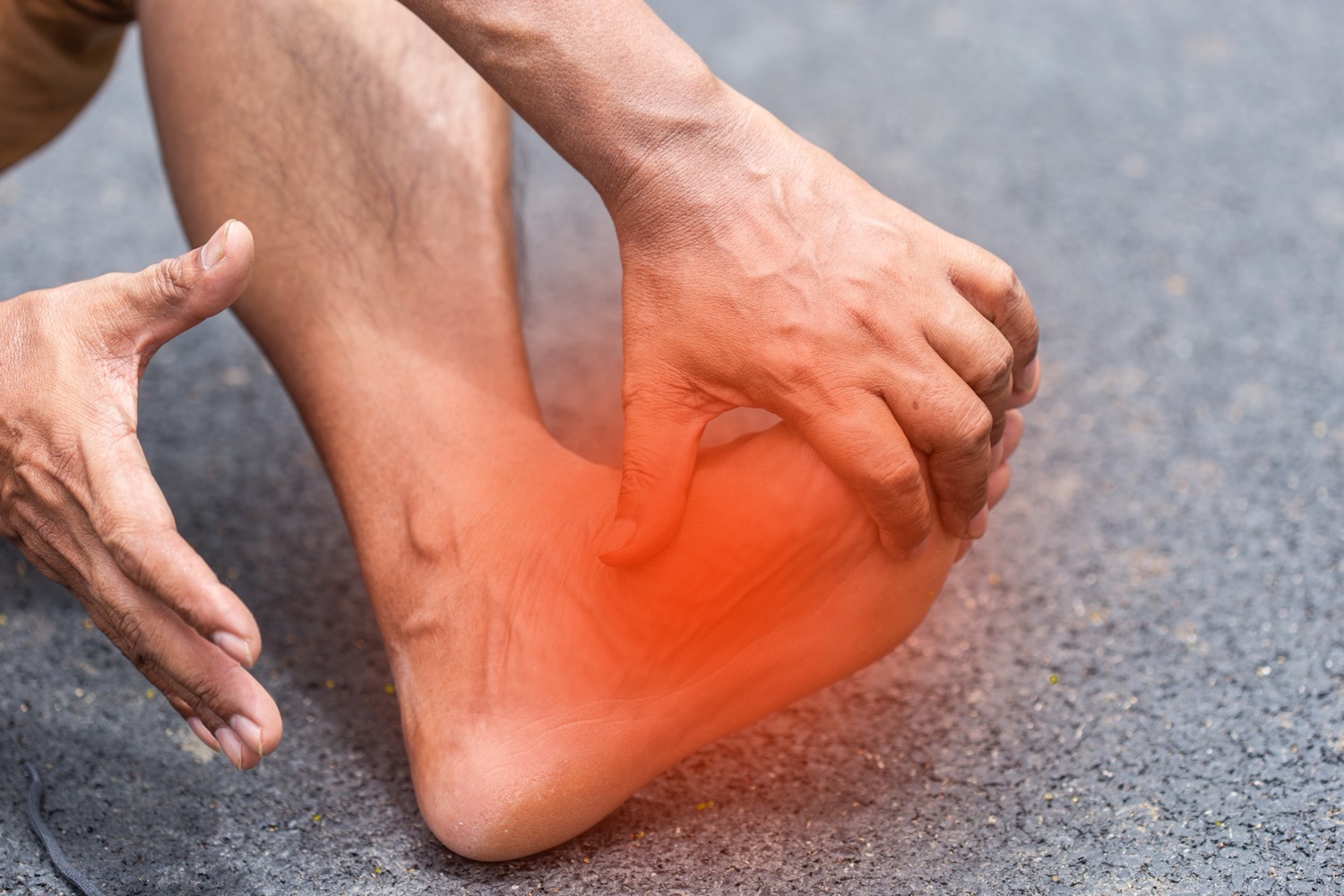
Signs & Symptoms
Recognizing the symptoms early can help you get the right treatment sooner.
- Sharp, stabbing heel pain with the first steps of the day
- Pain that decreases after a few minutes of walking
- Heel pain after prolonged standing or sitting
- Pain that intensifies after (not during) exercise
- Tenderness on the bottom of the heel near the arch
Common Causes
Plantar fasciitis occurs when the plantar fascia — a thick band of connective tissue running from the heel to the toes — becomes inflamed from repeated stress. Common contributing factors include standing for long hours, running or walking on hard surfaces, tight calf muscles, obesity, flat feet, high arches, and unsupportive footwear.
Key Benefits
- Custom orthotic support
- Radial shockwave therapy available
- Targeted stretching programs
- Long-term prevention strategies
What to Expect
Dr. Quach will examine your foot, review your activity patterns, and may order imaging. A step-by-step treatment plan is developed, starting with conservative measures and progressing only if needed.
Recovery & Aftercare
With consistent treatment, approximately 80% of plantar fasciitis cases resolve within 6–12 months. Dr. Quach’s step-by-step protocol typically begins with custom orthotics and stretching, progressing to shockwave therapy for persistent cases. Surgery is reserved for the small percentage of patients who do not respond to comprehensive conservative care.
Frequently Asked Questions
What is the fastest way to cure plantar fasciitis?
There is no overnight cure, but the fastest path to relief includes custom orthotics, a disciplined stretching routine (especially before getting out of bed), supportive footwear, and shockwave therapy for chronic cases. Starting treatment early dramatically improves outcomes.
Can plantar fasciitis go away on its own?
Mild cases may improve with rest and proper footwear, but most persistent cases require professional treatment. Without treatment, plantar fasciitis can become chronic and lead to compensatory injuries in the knees, hips, and back.
Is walking good or bad for plantar fasciitis?
Moderate walking with supportive footwear is generally fine and can help prevent stiffness. Avoid walking barefoot, in flip-flops, or for extended periods on hard surfaces.
Plantar Fasciitis in the Rio Grande Valley
If you’re experiencing symptoms or have been diagnosed with a condition that requires plantar fasciitis, Dr. Quach and the team at Foot Center of the Rio Grande Valley are here to help. With 21+ years of experience and a conservative-first approach, we’ll develop a treatment plan tailored to your needs.