About Amputation Prevention
For patients with diabetes, peripheral artery disease, or chronic wounds, the risk of amputation is a real concern. Our amputation prevention program focuses on early intervention, advanced wound care, vascular assessment, and collaborative care with your primary physician. Dr. Quach is trained in limb salvage techniques and is committed to preserving function whenever possible.
Amputation prevention is one of the most critical services we provide. Nationwide, a lower-limb amputation occurs every 30 seconds due to diabetes. At Foot Center of the Rio Grande Valley, Dr. Quach is committed to preserving every toe, foot, and limb through early intervention, advanced wound care, and coordinated multidisciplinary treatment.
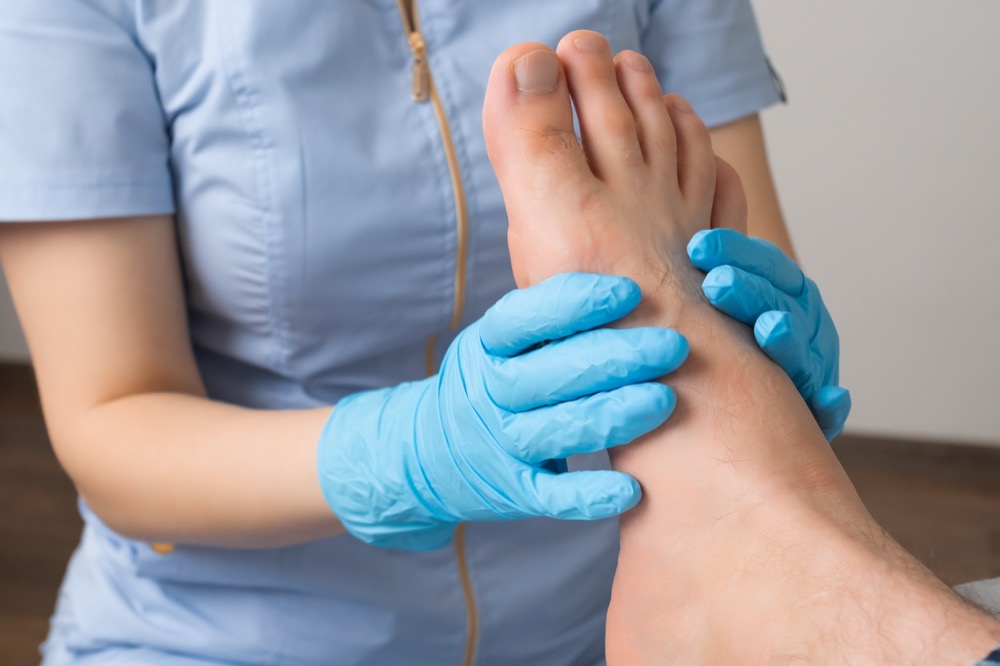
Signs & Symptoms
Recognizing the symptoms early can help you get the right treatment sooner.
- Non-healing wound or ulcer on the foot
- Darkened or blackened skin on toes or foot
- Loss of sensation in the feet (neuropathy)
- Cold feet or toes with slow healing
- Persistent infection around a wound
Common Causes
The most common causes of limb-threatening conditions are uncontrolled diabetes, peripheral artery disease (PAD), and chronic non-healing wounds. Neuropathy prevents patients from feeling injuries, while poor circulation impairs the body’s ability to fight infection and heal. Without timely intervention, minor problems can escalate rapidly.
Key Benefits
- Early detection of at-risk limbs
- Advanced wound healing protocols
- Collaborative care coordination
- Limb salvage
What to Expect
A comprehensive evaluation assesses circulation, wound status, and overall foot health. An individualised plan is developed that may include wound care, offloading, vascular referrals, and regular monitoring visits.
Frequently Asked Questions
How do I know if I am at risk for amputation?
Patients with diabetes, PAD, neuropathy, kidney disease, or a history of foot ulcers are at elevated risk. Regular diabetic foot exams — ideally every 3–6 months — are the best way to catch problems early.
Can amputations really be prevented?
Yes. Studies show that up to 85% of diabetes-related amputations are preventable with proper foot care, early wound treatment, and regular monitoring. That is exactly what our programme provides.
Amputation Prevention in the Rio Grande Valley
If you’re experiencing symptoms or have been diagnosed with a condition that requires amputation prevention, Dr. Quach and the team at Foot Center of the Rio Grande Valley are here to help. With 21+ years of experience and a conservative-first approach, we’ll develop a treatment plan tailored to your needs.