About Flat Feet
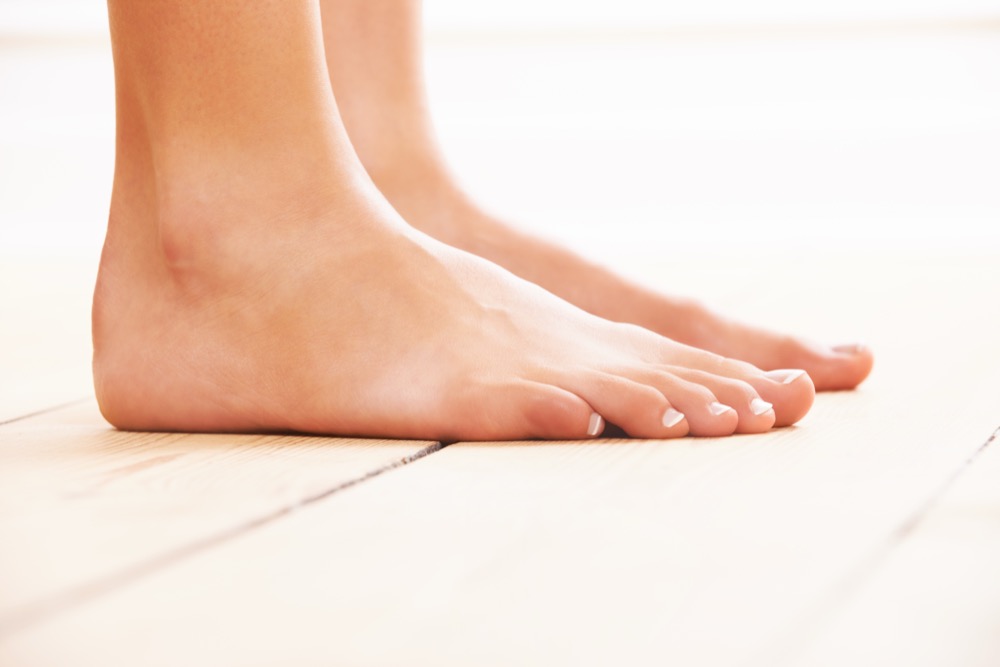
Flat feet (pes planus) occur when the arch of the foot collapses, causing the entire sole to contact the ground. While some people have flat feet without symptoms, others experience pain, fatigue, and difficulty with physical activities. Treatment options range from supportive footwear and custom orthotics to stretching programmes and, in rare cases, surgical correction.
Flat feet are extremely common — approximately 20–30% of adults have some degree of fallen arches. While many individuals with flat feet experience no symptoms, others develop chronic pain, fatigue, and difficulty with physical activities. Dr. Quach treats flat feet in patients of all ages at our McAllen and Weslaco offices, from young children whose arches are still developing to adults with progressive arch collapse.
Signs & Symptoms
Recognizing the symptoms early can help you get the right treatment sooner.
- Pain in the arch, heel, or along the inside of the ankle
- Feet that tire easily during standing or walking
- Difficulty with activities like running or jumping
- Swelling along the inside of the ankle
- Back, hip, or knee pain related to foot alignment
Common Causes
Flat feet can be inherited (structural) or develop over time (acquired). Congenital flat feet result from the normal arch never forming during childhood. Acquired flat feet are most commonly caused by posterior tibial tendon dysfunction (PTTD), where the tendon that supports the arch weakens over time due to ageing, overuse, obesity, or injury.
Key Benefits
- Custom orthotic arch support
- Stretching and strengthening programs
- Activity modification guidance
- Pediatric and adult treatment
What to Expect
An evaluation includes gait analysis, foot structure assessment, and discussion of your symptoms. A treatment plan is designed to provide the support and correction you need for comfortable, active living.
Frequently Asked Questions
Will my child outgrow flat feet?
Many children develop arches by age 6–8. However, if flat feet are causing pain or affecting activity, early evaluation and treatment is important. Dr. Quach can distinguish between normal development and conditions that need intervention.
Can flat feet be corrected without surgery?
Yes. The majority of flat foot cases are managed successfully with custom orthotics, supportive footwear, stretching, and strengthening exercises. Surgery is reserved for severe cases that do not respond to conservative care.
Flat Feet in the Rio Grande Valley
If you’re experiencing symptoms or have been diagnosed with a condition that requires flat feet, Dr. Quach and the team at Foot Center of the Rio Grande Valley are here to help. With 21+ years of experience and a conservative-first approach, we’ll develop a treatment plan tailored to your needs.