About Peripheral Artery Disease (PAD) Test
Peripheral artery disease (PAD) is a circulatory condition that reduces blood flow to the limbs, increasing the risk of wounds, infections, and complications — especially in patients with diabetes. Our non-invasive PAD testing measures blood flow and pressure in the legs and feet, enabling early detection and timely intervention.
Peripheral artery disease (PAD) is a serious but underdiagnosed circulatory condition that affects up to 12 million Americans. It is especially prevalent in patients with diabetes, high blood pressure, and a history of smoking. At Foot Center of the Rio Grande Valley, we offer quick, painless PAD screening to detect circulation problems before they lead to serious complications.
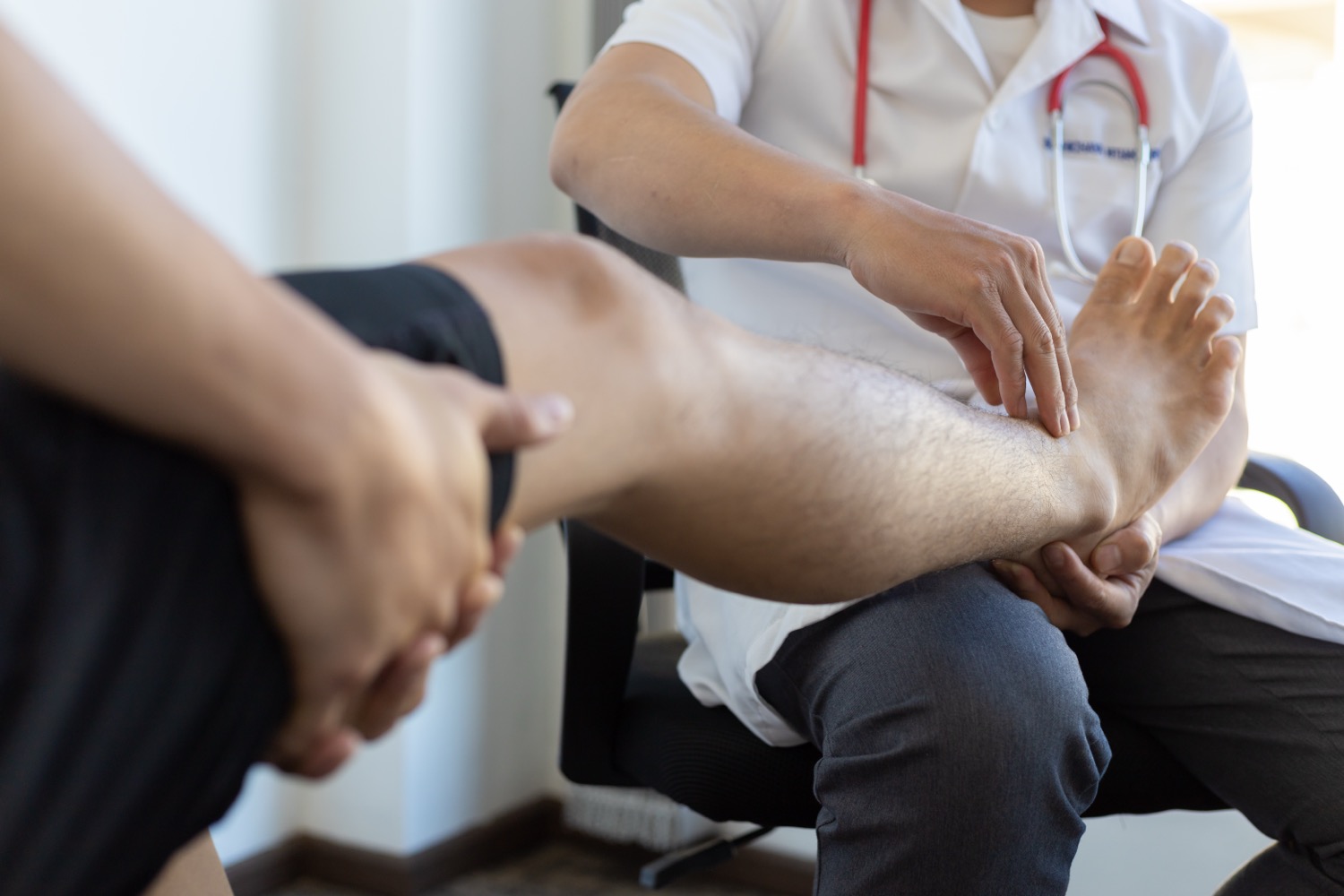
Signs & Symptoms
Recognizing the symptoms early can help you get the right treatment sooner.
- Leg or foot pain during walking (claudication) that stops with rest
- Cold feet or toes
- Slow-healing wounds on the feet
- Weak or absent pulses in the feet
- Shiny skin or hair loss on the legs
- Discolouration of the skin on feet or legs
Common Causes
PAD is caused by atherosclerosis — the buildup of fatty deposits (plaque) in the artery walls, which narrows and hardens the arteries supplying blood to the legs and feet. Major risk factors include diabetes, smoking, high blood pressure, high cholesterol, and advancing age
Key Benefits
- Non-invasive and painless
- Early detection of circulation problems
- Critical for diabetic patients
- Guides treatment and referral decisions
What to Expect
The test involves placing blood pressure cuffs on your arms and ankles to compare readings. The procedure is painless and takes just a few minutes. Results are discussed immediately, and referrals are made if further evaluation is warranted.
Recovery & Aftercare
PAD testing itself requires no recovery — the ankle-brachial index (ABI) test is completely non-invasive and painless. If PAD is detected, treatment focuses on managing the underlying condition through lifestyle modifications (smoking cessation, exercise, diet), medications to manage cholesterol and blood pressure, and careful foot care to prevent wounds. In moderate to severe cases, Dr. Quach will refer you to a vascular specialist for further evaluation and possible intervention to restore blood flow. Early detection through routine screening is the most important step — patients diagnosed and treated early have significantly better long-term outcomes.
Frequently Asked Questions
What is an ankle-brachial index (ABI) test?
The ABI test compares blood pressure readings taken at the ankle with readings at the arm. A lower reading at the ankle indicates reduced blood flow to the legs. It is painless and takes approximately 15 minutes.
Why should my podiatrist screen for PAD?
Podiatrists are often the first to detect signs of PAD because the feet are affected earliest. Early detection allows for timely referral and treatment, potentially preventing serious complications including amputation.
Peripheral Artery Disease (PAD) Test in the Rio Grande Valley
If you’re experiencing symptoms or have been diagnosed with a condition that requires peripheral artery disease (pad) test, Dr. Quach and the team at Foot Center of the Rio Grande Valley are here to help. With 21+ years of experience and a conservative-first approach, we’ll develop a treatment plan tailored to your needs.